
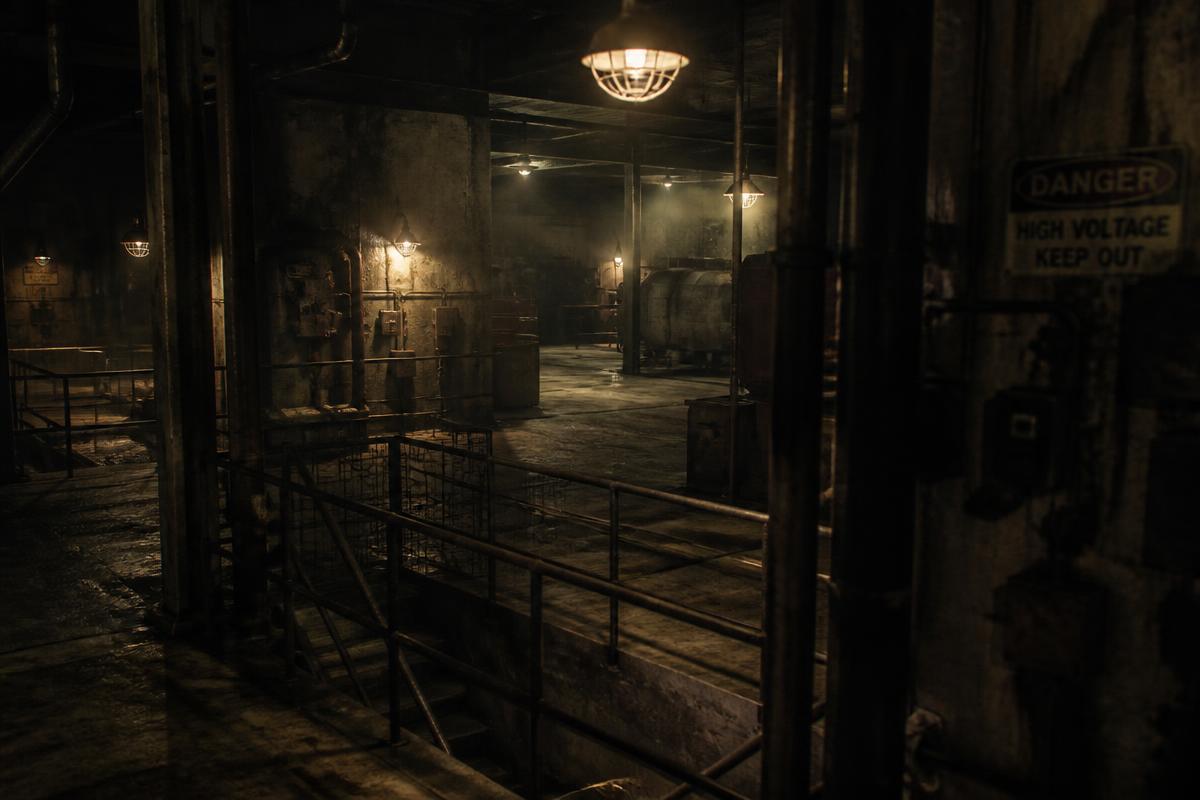
Production space in Dallas–Fort Worth spans an enormous range, from a few hundred dollars for a warehouse day to several thousand for a certified stage with a grid and a crew. The right question isn't which is cheapest — it's which category your production actually needs.
What Northside Studios charges
A full production day of up to ten hours is $500. A half day of up to five hours is $325. Overtime beyond your booked time is $75 per hour. Cleaning and reset has a $100 minimum, and there's a $500 minimum damage deposit. Normal electricity is included. Everything is on the published rate card.
What moves the total
Hours are the obvious one — most overages happen because load-in and load-out weren't counted inside the booked window. Then: whether you're adding an existing finished set (+$150 per day), whether you're holding a set overnight ($75 per night), and whether your build needs specialty power or major modification.
Stage vs warehouse
A certified soundstage buys you acoustic isolation, a permanent lighting grid, and usually house crew and infrastructure. If your project is dialogue-heavy with a professional sound department and a budget to match, that's worth paying for.
A production warehouse buys you square footage, privacy, control of light and schedule, and the freedom to build. To be explicit: our space is not a certified soundstage and is not soundproofed. Productions that need controlled sound should plan for it as they would on any practical location.
The hidden costs of a "cheap" location
A $200 restaurant location can end up costing more than a $500 warehouse day once you add restricted hours, an insurance rider, a location fee, parking, a load-in you don't control, and the fact that you can't touch the walls. Compare total cost to shoot, not headline rate.
How to book efficiently
Count load-in and load-out inside your booked hours. Book a half day for tests, stills and single-scene work. If you're shooting across two days, hold the set overnight instead of striking and rebuilding — $75 is almost always cheaper than the labor of doing it twice.